Spring Planning for Concrete Installation Projects with Local Service Providers
Spring is the perfect time to plan and connect with local contractors for durable concrete installations that enhance your property's functionality and curb appeal.
Spring is a popular season for concrete installation projects because the warmer weather and longer daylight hours create ideal conditions for outdoor work. As the season transitions from winter, property owners often find it more convenient to plan outdoor improvements like driveways, patios, walkways, and foundation work. The milder temperatures help ensure proper curing and setting of concrete, reducing the risk of issues caused by freezing temperatures or excessive moisture. Additionally, spring offers an opportunity to refresh and update outdoor spaces, making it a practical time to begin projects that enhance curb appeal and functionality for the warmer months ahead.
Concrete installation services typically encompass a range of applications, including the pouring and finishing of driveways, sidewalks, patios, foundations, and retaining walls. These projects often involve site preparation, such as grading and excavation, to ensure proper drainage and stability. Local contractors may also provide additional services like stamping, staining, or sealing to customize the appearance of concrete surfaces. When choosing a service provider, property owners can expect professionals to evaluate the site, recommend suitable concrete mixes, and execute the work with attention to detail, ensuring durable results that meet the specific needs of the property.
Property owners interested in concrete installation can compare local options by considering factors such as experience, reputation, and the scope of services offered. It’s helpful to review portfolios or request examples of previous work to assess craftsmanship. Additionally, seeking recommendations or reading reviews can provide insights into the reliability and professionalism of local contractors. Consulting multiple service providers allows property owners to ask questions about materials, techniques, and project approaches, helping them make informed decisions. This comparison process supports selecting a contractor who is well-suited to handle the specific requirements of each project, ensuring a smooth and successful installation.
Compare local contractors’ expertise and priorities to find the best fit for your spring concrete installation project.
- Seasonal Planning - Spring is an ideal time to plan and prepare for concrete installation projects.
- Design Options - Local contractors can help select styles and finishes that suit seasonal outdoor updates.
- Preparation Tips - Proper site preparation by service providers ensures a durable and long-lasting concrete surface.
- Expert Installation - Skilled local contractors can handle the installation process efficiently to meet seasonal needs.
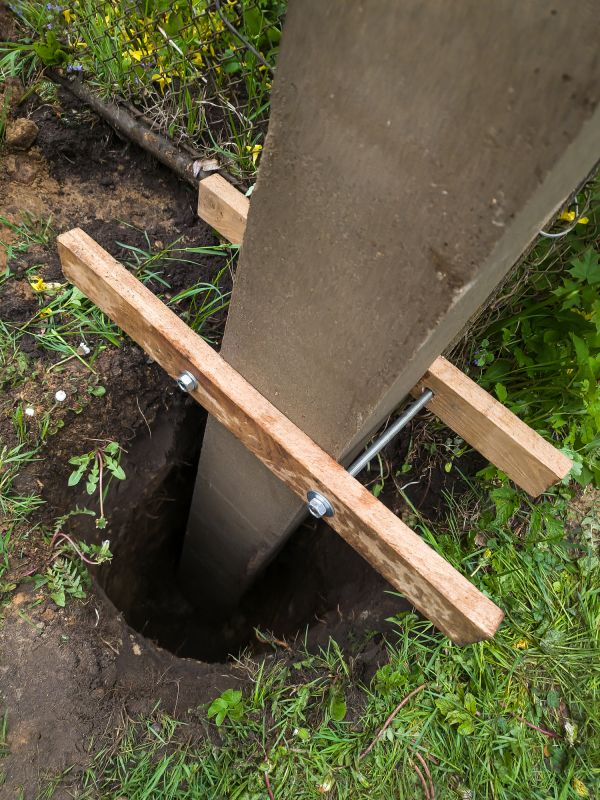
Before comparing options, clearly describe your concrete installation project to help local contractors recommend the best approach for your spring refresh.
- Assess site preparation to ensure the ground is properly leveled and free of debris before concrete installation. - Proper soil compaction and grading are essential for a stable and durable concrete surface.
- Verify that the area has appropriate drainage solutions to prevent water pooling and erosion after installation. - Good drainage planning helps protect the concrete from water damage over time.
- Check that formwork is securely constructed to maintain the desired shape and thickness of the concrete slab. - Well-built forms ensure a smooth, even surface and accurate dimensions.
- Ensure that local contractors use quality materials suited for the specific application and climate conditions. - High-quality materials contribute to the longevity and performance of the concrete.
- Confirm that curing methods are in place to allow the concrete to properly harden and gain strength. - Proper curing techniques help prevent cracks and ensure a solid finish.
- Discuss finishing options with service providers to achieve the desired surface texture and appearance. - Finishing touches can enhance both the look and functionality of the concrete surface.
Consider how local contractors can help bring your spring concrete installation ideas to life.

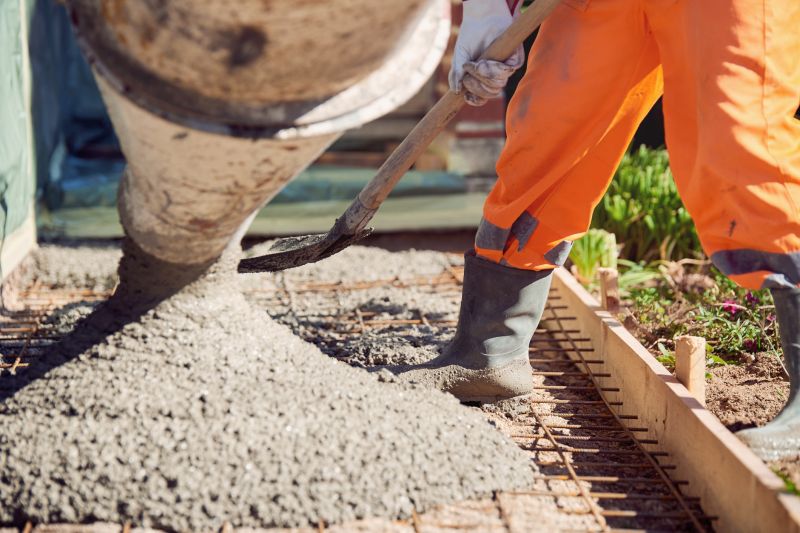
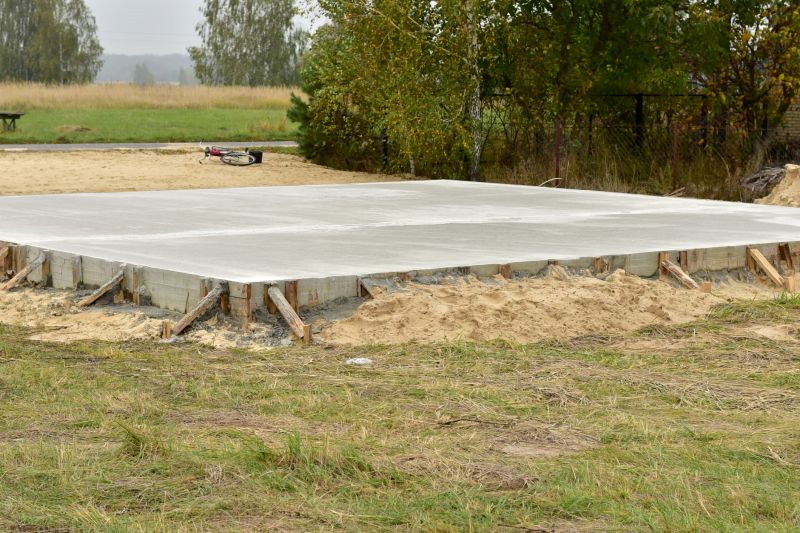

Prioritize your concrete installation needs and compare local contractors to find the best fit for your spring project.
- Driveway and Pathway Installation - Spring is an ideal time to install or upgrade driveways and walkways, providing a fresh look for outdoor spaces. Local contractors can prepare the site and pour concrete to create durable surfaces.
- Patio and Outdoor Living Space Construction - Building new concrete patios or expanding existing ones helps enhance outdoor entertaining areas for the season. Service providers can help design and install functional, long-lasting surfaces.
- Concrete Slab Foundations - Installing or repairing concrete slabs for sheds, gazebos, or other outdoor structures can be completed in spring to prepare for summer use. Local pros can handle site prep and pouring to ensure stability.
- Sidewalk and Curb Repairs - Repairing or replacing damaged sidewalks and curbs during spring can improve safety and curb appeal. Experienced contractors can assess and restore concrete surfaces efficiently.
- Decorative Concrete Projects - Spring offers a chance to add decorative touches like stamped or stained concrete for driveways, patios, or garden features. Local service providers can help bring creative ideas to life with professional finishes.
Compare concrete installation services across local contractors to ensure consistent quality and reliable results this spring.
- Site Preparation - Define the necessary site conditions and surface preparations required before concrete installation begins.
- Material Specifications - Identify the types and grades of concrete and reinforcement materials suitable for the project.
- Design and Dimensions - Determine the specific measurements, thickness, and design features needed for the concrete work.
- Placement Techniques - Outline the methods and equipment that local contractors will use to pour and finish the concrete properly.
- Curing Methods - Establish the appropriate curing procedures to ensure concrete strength and durability after installation.
When comparing local contractors for concrete installation during the spring season, it is important to consider their experience with similar projects. Homeowners should seek out service providers who have a history of completing concrete work comparable in scope and complexity, such as driveways, patios, or walkways. An experienced contractor can demonstrate familiarity with seasonal challenges and best practices, ensuring that the work aligns with regional conditions typical of springtime. This background can help ensure that the project proceeds smoothly and meets expectations for durability and finish.
A clear, written scope of work is essential when evaluating options for concrete installation. Homeowners should look for service providers who can provide detailed descriptions of the work included, from site preparation and pouring to finishing and curing processes. A well-defined scope helps prevent misunderstandings and sets clear expectations for the project’s deliverables. It also allows homeowners to compare the thoroughness and professionalism of different contractors, making it easier to identify those who communicate effectively and prioritize transparency.
Work planning considerations are especially important during the spring season, as weather can influence project timelines and procedures. Homeowners should inquire how local contractors plan around variable spring conditions, such as rain or fluctuating temperatures. Experienced service providers will have strategies for scheduling work to minimize delays, protect freshly poured concrete from adverse weather, and ensure proper curing. Evaluating how contractors approach planning can reveal their level of professionalism and their ability to adapt to seasonal challenges, leading to a more predictable and successful project outcome.
When assessing different options for concrete installation, it is helpful to focus on the contractor’s approach to project management and communication rather than just pricing. Homeowners can ask about how service providers plan the work, coordinate materials, and handle unforeseen issues. Comparing the level of detail in their explanations and their responsiveness can provide insight into their professionalism and reliability. This approach ensures that homeowners select a contractor who demonstrates clear planning and communication, which are key to a smooth, well-executed concrete installation during the spring season.
Request written details from local contractors to ensure a clear, consistent scope for your spring concrete project.
- Spring-Season Planning - How do different local contractors define the scope of concrete installation projects for seasonal upgrades?
- Comparison of Service Offerings - What specific services related to concrete installation do local providers include in their spring-focused packages?
- Material and Finish Options - How do local contractors differ in their recommendations for concrete materials and finishes suitable for spring installation?
- Scope Clarification - What aspects of concrete installation are typically covered by local service providers during spring projects?
- Experience and Specialization - How can homeowners identify which local contractors have specialized experience in springtime concrete installation?
What is involved in installing concrete during spring? Local contractors typically prepare the site, pour the concrete, and finish the surface to ensure a durable and smooth result suitable for outdoor projects.
How can I prepare for a concrete installation in spring? It's important to clear the area of debris, ensure proper drainage, and discuss any specific design or finish preferences with local service providers.
Are there specific considerations for concrete installation in spring weather? Yes, spring weather can be unpredictable; experienced local contractors may use techniques to manage moisture and temperature to ensure proper curing.
What types of concrete finishes are available for spring projects? Common options include stamped, brushed, or exposed aggregate finishes, which local pros can help select based on style and functionality.
Is it necessary to seal concrete after installation in spring? Sealing can enhance durability and appearance; local service providers can advise on the best sealing options for spring-installed concrete.
How do local contractors ensure quality during spring concrete installations? They typically follow proper site preparation, mix, pouring, and curing procedures to achieve a long-lasting surface suitable for seasonal use.
Spring is an ideal time to consider concrete installation projects, whether for patios, driveways, or walkways. Visitors have learned about the key steps involved in planning and executing a concrete installation, along with tips for selecting the right materials and ensuring a durable finish. To explore options and find experienced service providers in the area, using the quote form can help compare local contractors and connect with those best suited to handle the job.
Choosing the right local contractors for concrete installation can make a difference in achieving the desired results. By filling out the quote form, visitors can easily compare available service providers and find professionals who meet their project needs. This simple step supports informed decisions and helps plan for a successful springtime upgrade.
Providing clear details about your concrete installation project helps local contractors understand your needs and plan effectively.
- Project Details - Share information about the size, shape, and specific requirements of the concrete installation project.
- Site Conditions - Describe the current site conditions, including access, surface type, and any existing structures or obstacles.
- Design Preferences - Indicate any preferred finishes, textures, or patterns for the concrete surface.
- Additional Services - Outline any other related services needed, such as excavation, grading, or finishing touches.